Automation has been part of manufacturing for decades. Robots load parts. Machines run unattended. Software schedules work and tracks output. Yet for many small and mid-size manufacturers, automation still feels like a blunt instrument: expensive, disruptive, and designed for plants with more people and resources than they have.
That’s where operator-centric automation changes the conversation.
Instead of replacing operators, this approach is built to support the people doing the work, giving them better information, fewer manual tasks, and clearer direction. The result isn’t a lights-out factory. It’s a more predictable, efficient, and resilient operation, especially for smaller teams in high-mix, high-precision environments.
what operator-centric automation actually means
Operator-centric automation focuses on assisting decision-making and execution at the point of work. It removes friction from daily tasks without removing accountability or craftsmanship.
In practice, that means:
Automating data capture, not judgment
Guiding process execution, not bypassing it
Reducing manual work that distracts operators from producing quality parts
This distinction matters. Many automation initiatives fail because they’re designed from a management or IT perspective first. Operator-centric systems start on the shop floor and work upward. For manufacturers (especially in aerospace, medical device, and wire harness) this approach aligns better with reality. These shops depend on skilled operators, tight process control, and traceability. Automation that ignores that context often creates more problems than it solves.
why traditional automation misses the mark for smaller teams
Large manufacturers can afford automation projects that take years to implement and teams to maintain them. Small and midsize manufacturers can’t.
Common issues include:
Systems that require operators to stop work just to enter data
Automation that assumes long, repeatable production runs
Tools that generate reports but offer no real-time guidance
In smaller shops, operators already wear multiple hats. Asking them to manually log data, search for work instructions, or track down missing information adds risk and variability. When schedules are tight and teams are lean, even small inefficiencies compound quickly.
Operator-centric automation works because it’s designed for the way work actually happens on the shop floor.
automation that supports operators (instead of replacing them)
The most effective automation doesn’t remove operators from the process. It removes obstacles.
Here’s what that looks like on the shop floor.
Real-Time Visibility Without Extra Steps: Instead of relying on manual clock-ins or end-of-shift reporting, operator-centric systems automatically capture production activity as work happens.
Operators don’t need to:
Walk to a terminal to log time
Re-enter job details they already know
Reconcile paperwork at the end of a shift
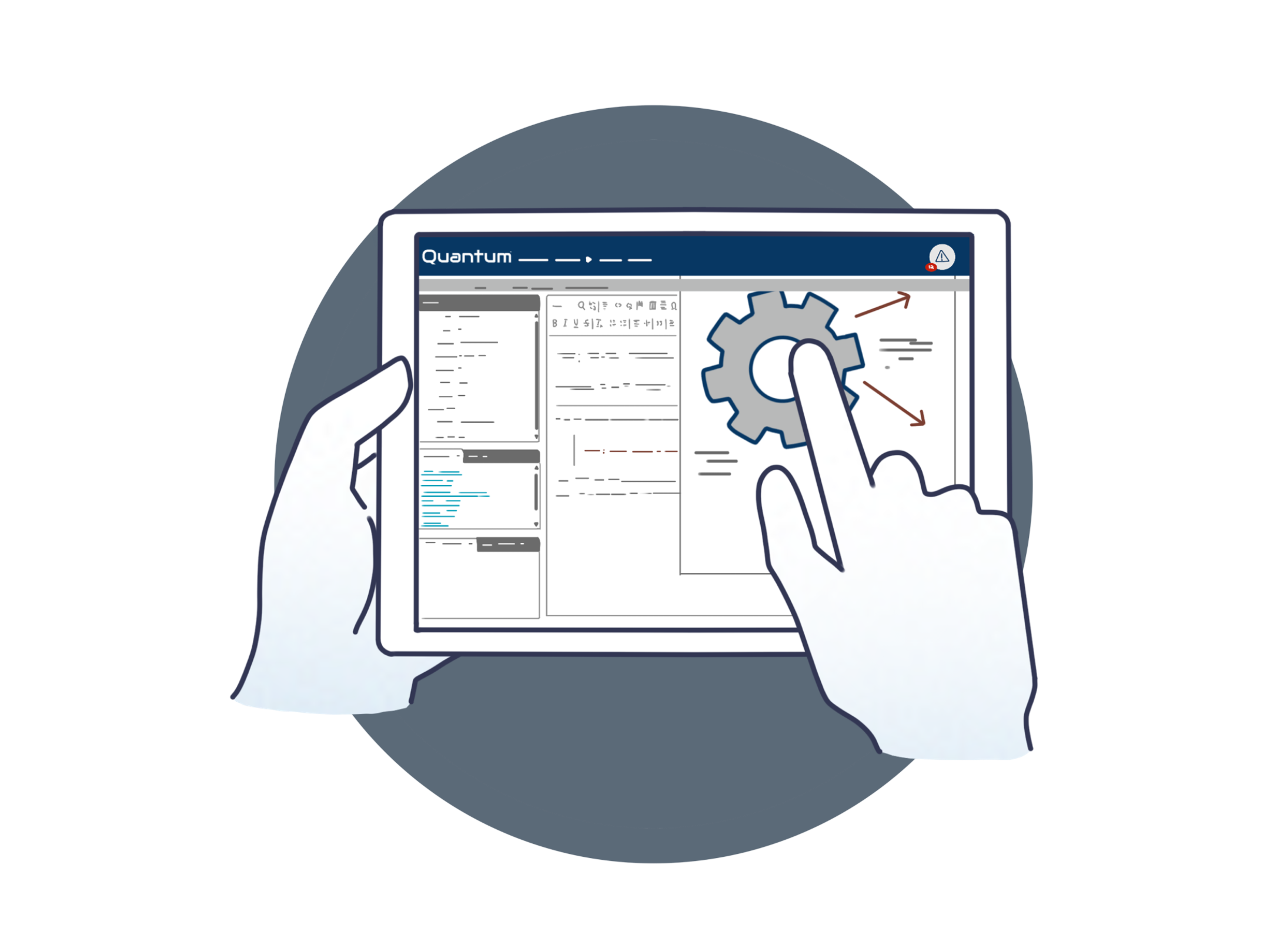
With Quantum MES, production status updates, labor tracking, and job progress are captured as part of the normal workflow. That data becomes immediately visible to supervisors, planners, and quality teams, without interrupting production.
Digital Work Instructions That Stay Current: In industries like aerospace and medical device manufacturing, outdated instructions aren’t just inefficient, they’re a liability. Paper-based travelers and shared spreadsheet folders make it hard to ensure operators are always following the latest process. Operator-centric automation delivers verified, version-controlled instructions directly at the work center.
When a process changes:
Operators see the update immediately
Old versions are archived for traceability
Deviations are visible and auditable
This reduces rework, supports compliance, and builds confidence on the floor.
Built-In Guardrails for Quality and Compliance: Automation shouldn’t wait until inspection to catch problems. Operator-centric systems guide operators through required steps, checks, and validations as work is performed.
That’s especially important for:
Medical devices requiring strict documentation
Aerospace parts with lot and serial traceability
Wire harness assemblies with complex routing and inspection points
Quantum supports in-process quality checks and enforces required steps without slowing operators down. Issues are flagged early, when they’re easier (and cheaper) to fix.
why operator-centric automation works in high-precision manufacturing
Smaller teams don’t have the luxury of redundancy. They rely on consistency, visibility, and trust.
Operator-centric automation works because it:
Reduces variability without reducing flexibility
Supports skilled work instead of standardizing it away
Creates a reliable system of record without extra administrative effort
For composite and engineered part manufacturers, where processes vary by job and documentation matters, this approach provides structure without rigidity. Operators stay focused on producing quality work. Managers get accurate, timely data. And the system improves outcomes without becoming another job to manage.
the role of manufacturing execution systems (MES)
Quantum MES was designed with this reality in mind. Instead of treating operators as data entry points, Quantum treats them as process owners. The system supports how work flows through the shop, connecting: people, processes, materials, and equipment all in one place.
With Quantum, automation:
Happens in the background like a digital assistant
Supports real-time decisions
Scales with your operation, not against it
That’s why it resonates with small and midsize manufacturers who need results now, not promises tied to massive transformation projects.
a practical path forward
Operator-centric automation isn’t about doing everything at once. It’s about starting where it matters most.
For many shops, that means:
Replacing manual tracking with digital workflows
Gaining real-time visibility into production status
Giving operators tools that make their jobs easier, not harder
The goal isn’t to remove people from the process. It’s to give them the support they need to perform at their best, consistently.
Takeaway:Automation works best when it supports operators instead of replacing them. For smaller manufacturing teams, operator-centric automation delivers visibility, control, and quality without sacrificing flexibility or trust.
If you’re evaluating how automation fits into your operation, or wondering whether a system like Quantum makes sense for your shop, reach out and ask us how we can help
Is Your Shop Ready for an MES?
Download our free checklist to guide the conversation on an MES within your own team. Breakdown every area of your shop to see where production control, scheduling, quality control and more has the opportunity to help you grow.

.png?width=200&height=200&name=Untitled_Artwork%20(17).png)


 Kristin McLane
.png?width=300&height=100&name=Untitled_Artwork%20(3).png)

 Kristin McLane : January 28, 2026 at 10:00 AM
.png)